Vietnam has become one of the main places North American importers look when they want a second source for kitchen cabinets. This guide walks through what a Vietnamese cabinet factory can do, how an order moves from first sample to a loaded container, and how to pick a supplier you can grow with.
Why buyers look at Vietnam
- An established wood industry. Vietnam has decades of experience exporting furniture and wood products to the U.S., Canada, Japan and Europe, with a deep base of skilled labor and suppliers.
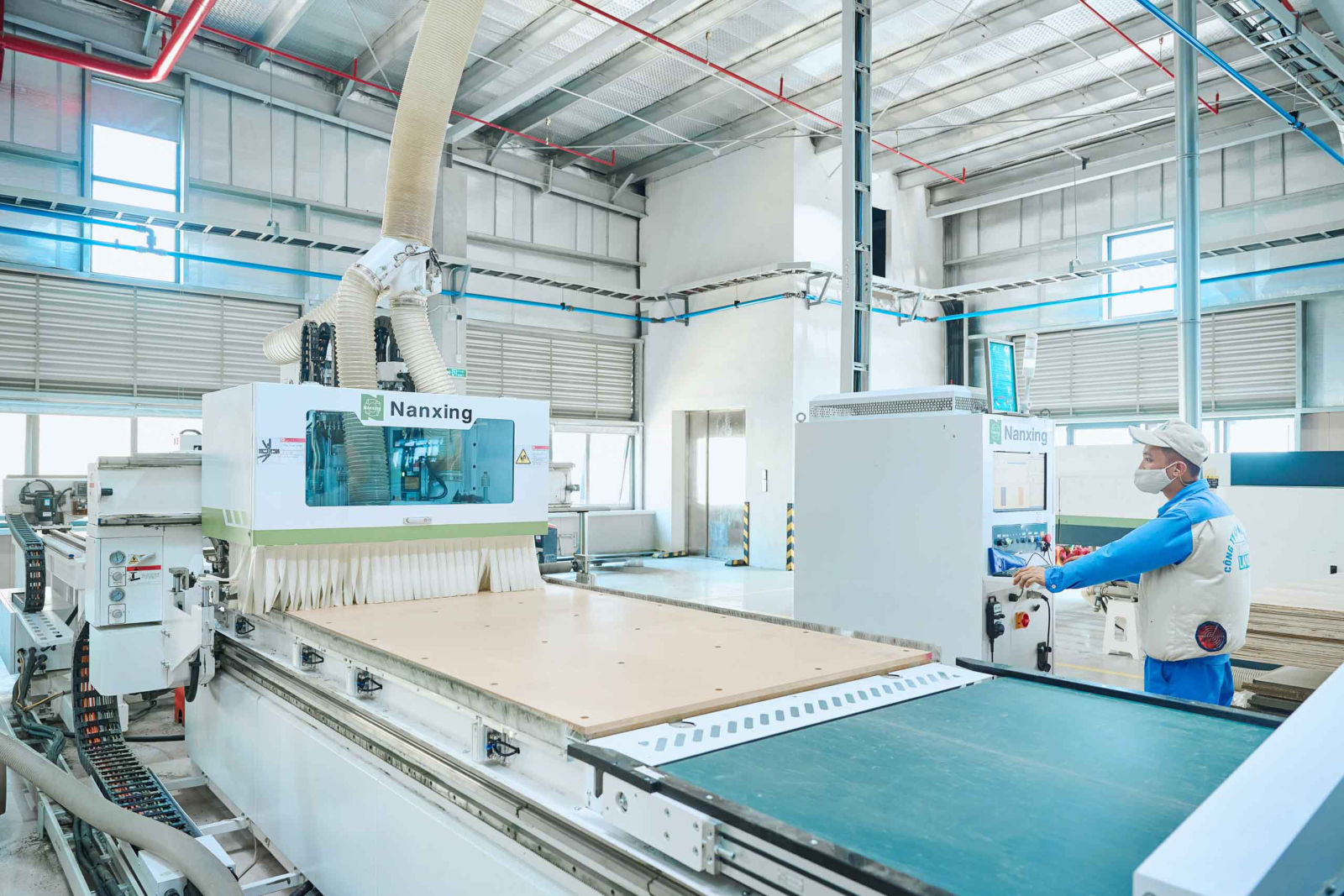
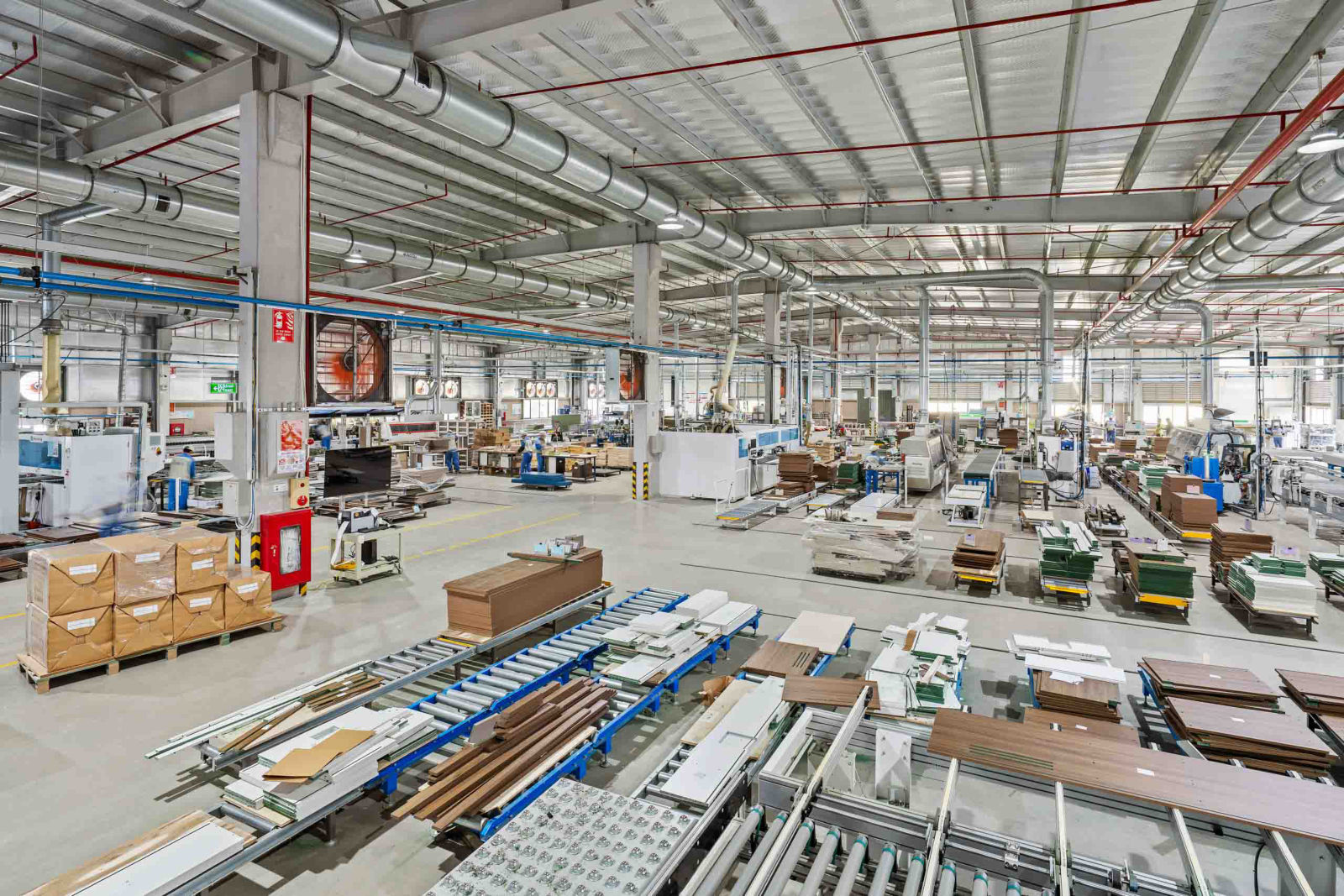
- Factories built for export. Many plants were set up around export programs from day one: container-scale production, export packaging and documentation are routine.
- Supply diversification. Importers want more than one country in their supply base. Vietnam lets them spread risk without giving up scale.
Types of cabinet factories
Not every factory fits every buyer. Broadly, you will meet three kinds:
- Furniture plants that also make cabinets. Flexible, but cabinets may not be their core line.
- Dedicated cabinet manufacturers. Lines set up for cabinet boxes, doors and finishing, with standard U.S. sizes and SKU lists.
- Trading companies. They place orders with other factories. Useful for small orders, but you lose direct control of quality and lead time.
If you plan to buy by the container, a dedicated cabinet manufacturer gives you the most control.
From sample to container
A typical first program runs like this:
- Inquiry. You share your door styles, box construction, sizes and estimated volume, or the drawings for a project.
- Samples. The factory builds door samples and one or two full cabinets for approval.
- Quotation. Unit prices, payment terms, lead time and trade terms (FOB, CIF, EXW or DDP) in one offer.
- Production and QC. Mass production with inspections at each stage. Many buyers also book a third-party inspection before loading.
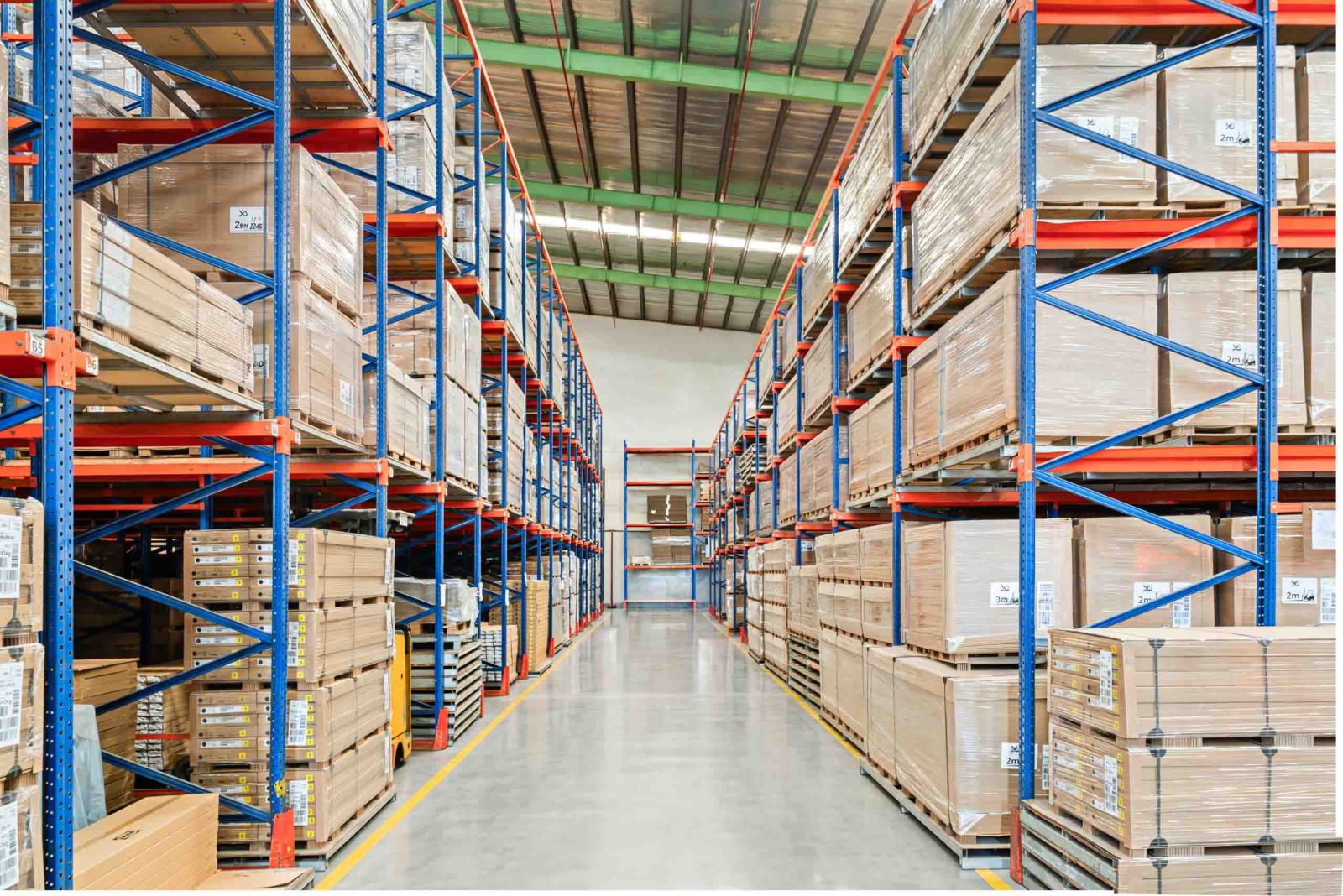
- Packing and shipping. Export cartons, a loading plan and the full set of shipping documents.
At Woodsland, custom orders start from one container, and production lead time starts from 8 weeks after sample approval.
What drives the price
- Box material (plywood, particleboard or MDF) and thickness
- Door construction and finish: five-piece Shaker, slab, painted or wood pattern
- Hardware: hinges, drawer slides and drawer boxes
- Packaging and how well SKUs fill a container
- Trade terms: FOB, CIF or DDP move different costs onto the factory’s price
Ask every supplier to quote the same specification so you compare like with like.
Risks and how to control them
- Quality drift between sample and production. Agree a golden sample and inspection criteria before production starts.
- Compliance. Ask for current certificates, such as CARB Phase 2 for composite wood and FSC chain of custody if you sell certified wood products.
- Lead time. Confirm material lead times as well as production time, and plan your first order with buffer.
- Communication. Check that you will have one sales engineer who answers technical questions directly.
Checklist for choosing a factory
- Makes cabinets as a core product, in standard U.S. sizes
- Can show its own production lines, not a partner’s
- Holds current certificates (FSC, ISO 9001, ISO 14001, CARB Phase 2)
- Gives a clear MOQ, lead time and trade terms in writing
- Builds samples before you commit to a container
- Welcomes factory visits and third-party inspections
Want to see how Woodsland works? Read about our factories, browse our framed and frameless cabinets, or request a quote.