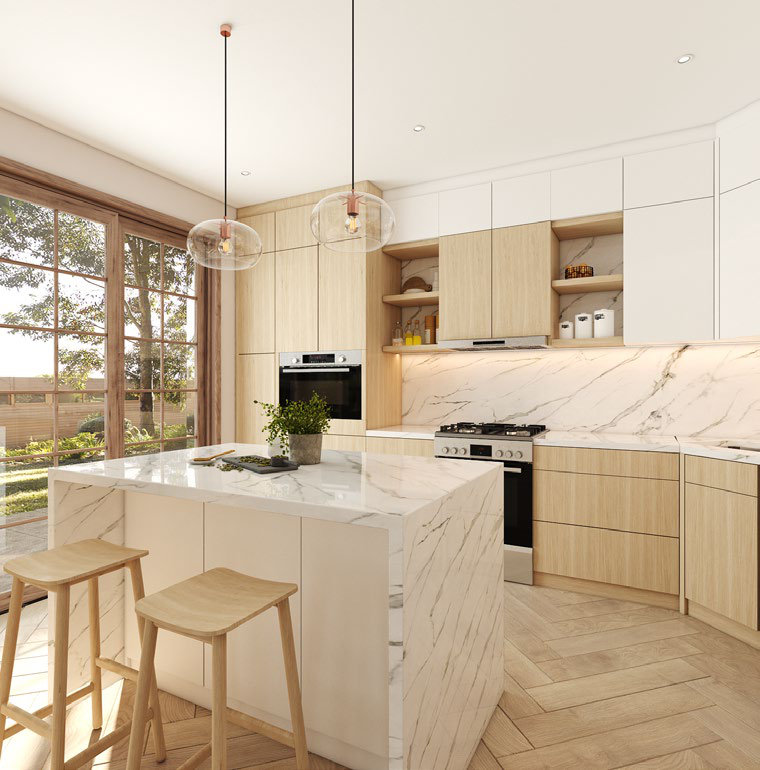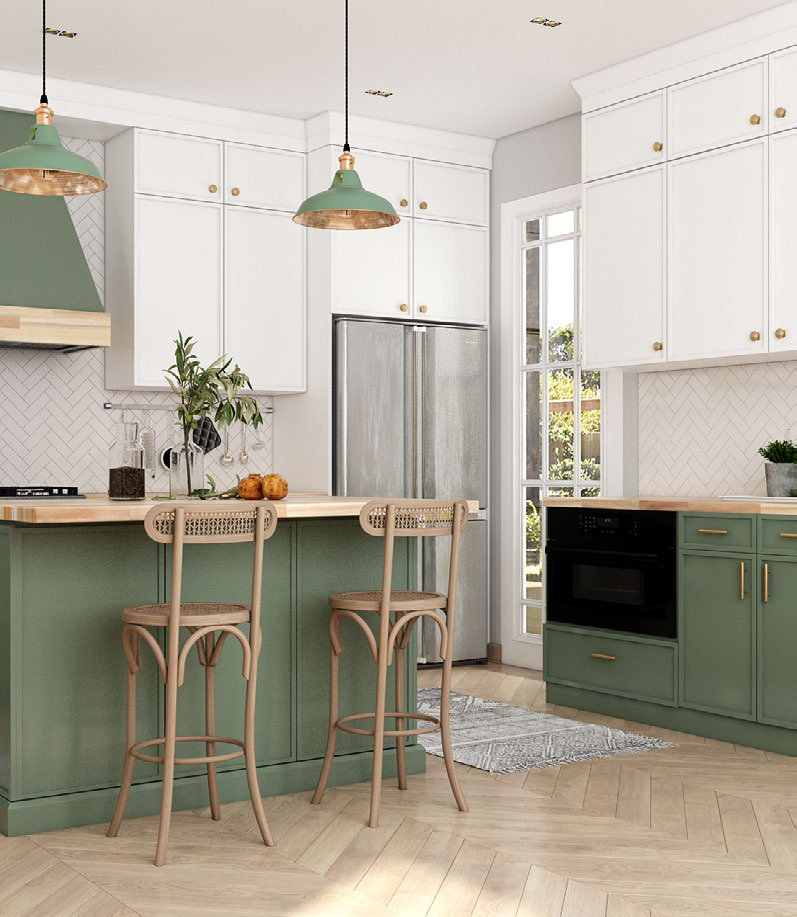
A private label cabinet line lets a distributor or brand sell cabinets under its own name, built by a manufacturer to its specification. Done well, it gives you a product competitors cannot copy from the same catalog. Here is how an OEM program usually runs, step by step.
1. Brief
Start with a short brief that answers four questions:
- Who is the end customer? Dealers, builders, multifamily projects or retail.
- What sells today? Your best door styles, colors and price points.
- What is the target landed cost? This sets the box material, finish and hardware.
- How much will you buy? An estimate per year, and the size of your first order.
2. Engineering
The factory turns your brief into a buildable product: box construction, door profiles, finish, hardware and packaging. A good manufacturer will also suggest changes that lower cost or improve how the cartons fill a container.
3. Samples
Expect door samples in your colors and one or two complete cabinets. Review them in person if you can. This is the moment to agree on details such as paint sheen, edge profiles and the label on each carton.
4. Quotation
Once samples are approved, you receive a full offer: unit price per SKU, payment terms, lead time and trade terms. At Woodsland, custom orders start from one container and production lead time starts from 8 weeks.
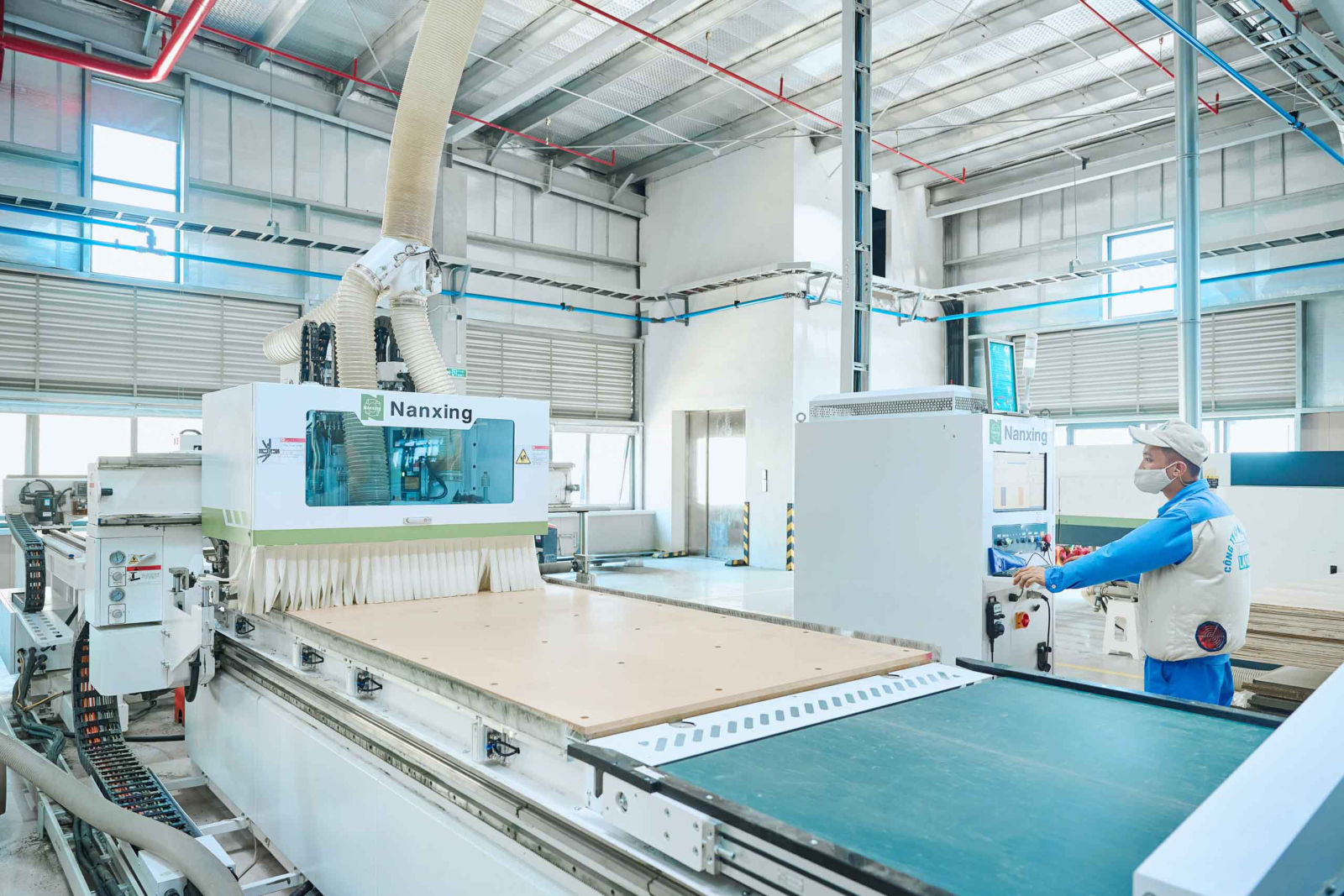
5. Production and quality control
Production follows the approved samples. Inspections run at each stage, from raw panels to finished, packed cabinets. Many brands add a third-party inspection before loading; your manufacturer should welcome it.
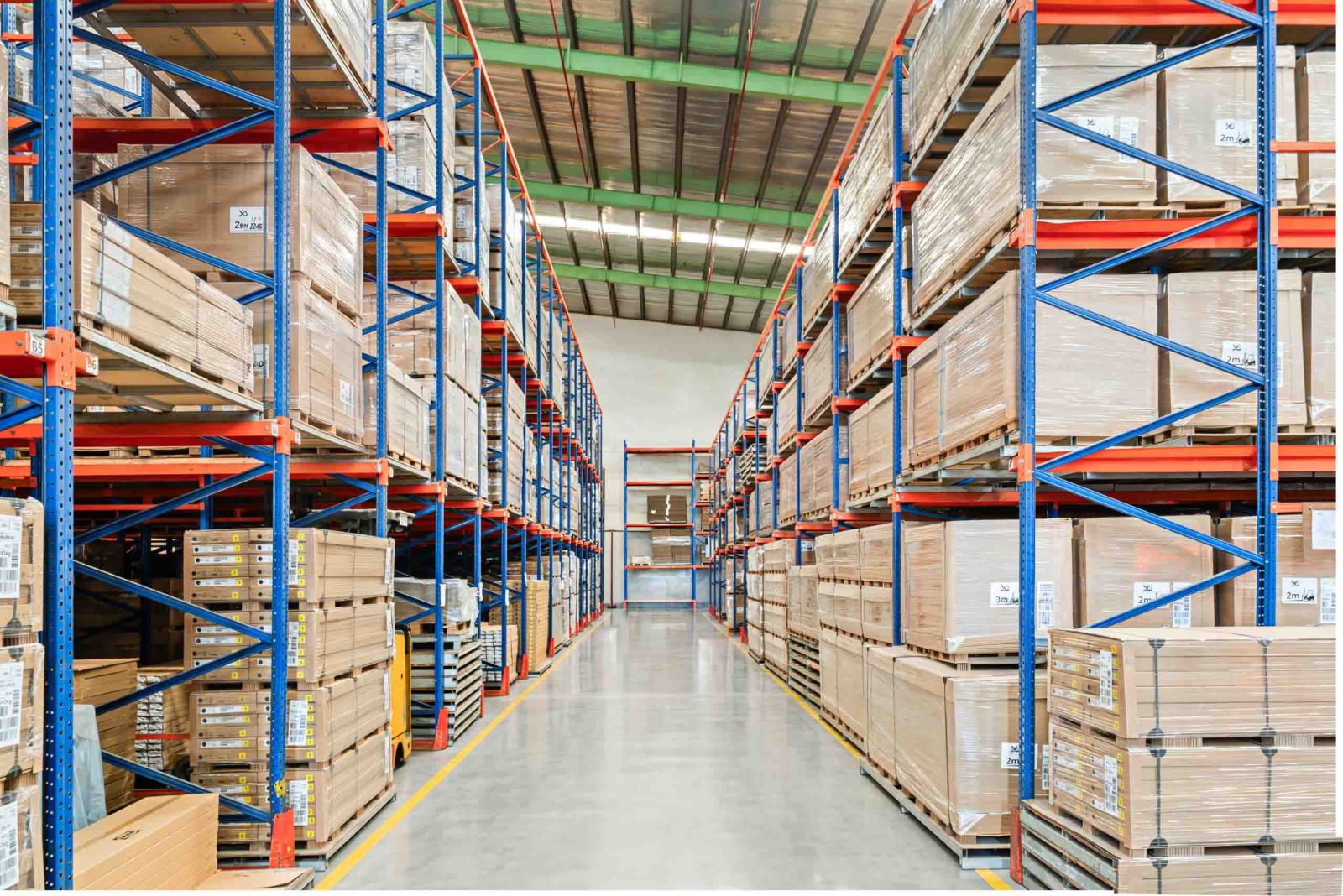
6. Packing and shipping
Cartons are printed with your brand and SKU codes, loaded to a plan and shipped with the full documents. Ask for loading photos so your warehouse knows what to expect.
What you need to prepare
- Your brand assets: logo files, carton design, labels
- A SKU list in standard sizes, or drawings for custom sizes
- Target price and volume
- Your compliance requirements, such as CARB Phase 2 or FSC labeling
Common mistakes
- Too many SKUs in the first order. Start with your best sellers and fill the container well.
- Changing specs after sample approval. Every change resets part of the timeline.
- Skipping the golden sample. Keep an approved sample at both ends so everyone checks against the same thing.
Ready to build your own line? See our OEM and ODM services or send us your brief.